


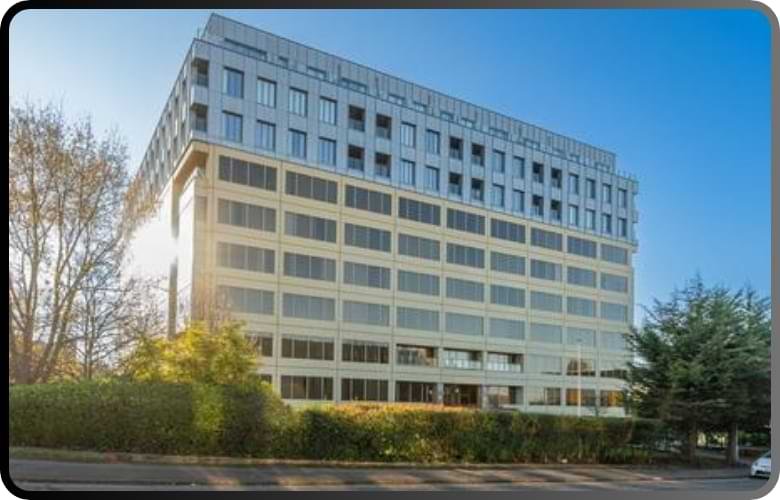
The term Westgate House refers to one of the names used to refer to property constructions in several urban areas in terms of residential, commercial, and mixed developments. It is often known because of its strategic placement, modern construction, and good connection to modes of transportation and amenities. Westgate House property developments are common in the city center, where connectivity is key in both residential and business use cases. Such buildings offer versatility in terms of use, such as housing, offices, and student accommodations. As a result, they continue to have considerable appeal in the real estate market.
What Is Westgate House?
Westgate House refers to buildings located in key urban areas or near historic city gateways. These properties serve both residential and commercial purposes depending on location and demand.
In many cities, developers place these buildings near transport links and essential services. Therefore, residents, workers, and businesses benefit from easy access and convenience.
Common uses include:
- Residential apartments
- Office spaces
- Student accommodation
- Mixed-use developments
Historical Background
The name “Westgate” comes from historic western entrances of towns and cities. Builders often named properties after these locations because of their importance in early urban planning.
Over time, these areas developed further as cities expanded. In addition, many older buildings were upgraded to meet modern standards while still keeping their historical identity.
Key historical points include:
- Origin linked to city gateways
- Growth during urban expansion
- Modern redevelopment and refurbishment
Architectural Design and Structure
Buildings under the Westgate House name focus on practical and modern design. Designers plan layouts carefully to improve space usage, comfort, and efficiency.
Moreover, many developments include upgraded systems that support both residential and commercial needs. As a result, they offer long-term value and better living conditions.
Common architectural features include:
- Spacious floor layouts
- Large windows for natural light
- Secure entry systems
- Energy-efficient design
- Shared communal spaces
Residential and Commercial Benefits
These developments offer strong advantages for both residents and businesses. Residents benefit from nearby services, while businesses gain visibility and accessibility.
In addition, the balance between living and working spaces increases overall demand. Therefore, these properties remain highly desirable in urban areas.
Main benefits include:
- Central location advantages
- Access to transport networks
- Nearby shops and services
- Professional work environments
- Reduced commuting time
Investment Potential and Market Value
These properties are often considered strong investment opportunities because of their location and usability. Investors prefer them due to stable demand in urban markets.
Furthermore, rental demand remains consistent, which supports long-term returns. Therefore, they attract both new and experienced investors.
Investment highlights:
- Stable rental income
- Strong occupancy rates
- Long-term appreciation potential
- High tenant demand
- Urban growth opportunities
- Also Read. Bradford Telegraph and Argus Local Reporting
(FAQs)
1. What is Westgate House used for?
It is used for residential apartments, office spaces, student accommodation, and mixed-use developments depending on location.
2. Where is it usually located?
It is commonly found in central urban areas or near historic gateways with strong transport access and essential services.
3. Is it suitable for business use?
Yes, many buildings include office spaces that support startups, small businesses, and established companies.
4. What features does it offer?
These developments often include modern layouts, secure entry systems, natural lighting, and shared communal spaces.
5. Why is it popular in cities?
It is popular because of its central location, strong transport links, and flexible use for both residential and commercial purposes.
Conclusion
The relevance of Westgate House remains significant when it comes to contemporary urban real estate investments because of the benefits that it provides in terms of its location and versatility. The developments provide a variety of uses that include residence, business, or other combined functions, and they can easily adapt to different needs of cities that experience growth. Thanks to the proximity to transport connections, basic utilities, and business districts, Westgate House developments provide stable long-term value and functionality. Their demand and versatile structure make them an attractive choice for investors and potential tenants.
