


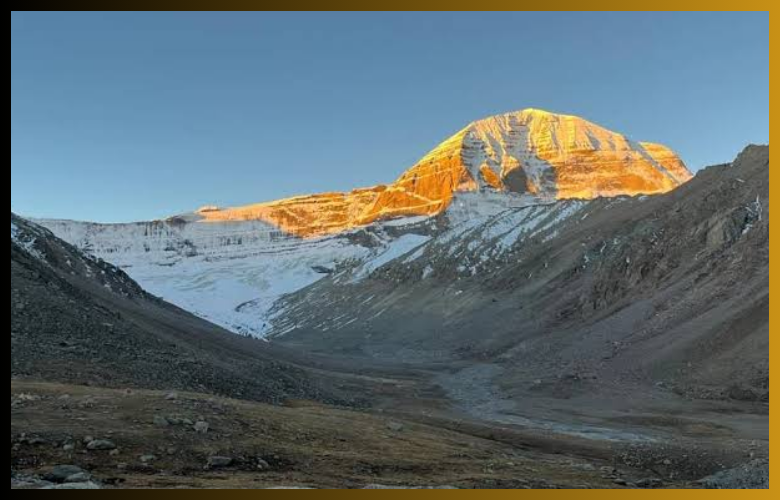
Mount Kailash is one of the holiest and most enigmatic mountains that attract many pilgrims and travelers for years. This magnificent Himalayan mountain located in the Tibetan area combines ancient legends, traditions, and nature. It is worshiped by Hindus, Buddhists, Jains, and Bon followers and symbolizes faith, dedication, and spirituality. The untouched peak, sacred trails, and the surrounding Lake Manasarovar make Mount Kailash a unique place to visit. It combines spirituality, history, and adventure. People from various places keep coming to see this incredible mountain and enjoy the peaceful environment.
Location and Geography of the Sacred Himalayan Peak
The sacred mountain is located in the Ngari Prefecture of the Tibet Autonomous Region in China. It stands on the Tibetan Plateau, an area known for high elevations, wide landscapes, and dramatic mountain scenery. The region is close to the origins of several important rivers, including the Indus, Sutlej, Brahmaputra, and Karnali. This unique location has increased its geographical and cultural importance over centuries. The untouched environment adds to the beauty of the surrounding area.
Reaching this destination requires preparation because of the altitude and remote conditions. Visitors usually travel through organized routes with necessary permits and local guidance. The journey often includes views of traditional villages, ancient monasteries, and breathtaking landscapes. Although the route can be challenging, many travelers consider it a meaningful adventure. The peaceful environment creates an unforgettable experience.
Important location details include:
- Region: Tibet Autonomous Region, China
- Height: Approximately 6,638 meters
- Landscape: Tibetan Plateau and Himalayan region
- Nearby sacred lake: Lake Manasarovar
- Famous pilgrimage: Kailash Kora
Spiritual Importance and Religious Traditions
The spiritual importance of this sacred site comes from its connection with several major religions. In Hindu beliefs, it is considered the home of Lord Shiva and Goddess Parvati. Buddhist followers associate the region with enlightenment and spiritual transformation. Jain traditions also recognize the area as a place connected with liberation and devotion. Bon followers consider the mountain an ancient center of spiritual energy.
This shared respect among different faiths makes the destination extremely unique. For centuries, pilgrims have traveled here seeking peace, wisdom, and spiritual growth. The traditions connected with the mountain have been passed down through generations. Visitors often participate in prayers, meditation, and sacred walking rituals. The region represents harmony between nature, culture, and belief.
People visit this sacred destination to:
- Complete spiritual journeys
- Experience ancient traditions
- Seek blessings and inner peace
- Explore Tibetan culture
- Connect with nature
Kailash Kora Pilgrimage Experience
The Kailash Kora is a famous pilgrimage route that circles the sacred mountain. The journey covers approximately 52 kilometers and is considered one of the most meaningful spiritual walks in Asia. Many pilgrims believe that completing the route helps remove negative energy and brings spiritual benefits. The trek requires physical strength because of the high altitude and difficult terrain. Despite the challenge, thousands of people complete the journey every year.
The route passes through beautiful valleys, monasteries, and mountain paths. One of the most difficult points is Dolma La Pass, which reaches a very high elevation. Pilgrims often walk while praying, meditating, or following traditional customs. The colorful prayer flags and peaceful surroundings create a memorable atmosphere. The experience combines adventure, devotion, and cultural discovery.
Important places along the route include:
- Darchen village
- Dirapuk Monastery
- Dolma La Pass
- Gauri Kund Lake
- Zutulpuk Monastery
Lake Manasarovar and Natural Beauty
Lake Manasarovar is one of the most important attractions near this spiritual destination. The lake is respected for its religious value and stunning natural scenery. Many pilgrims believe its waters represent purity and spiritual renewal. The clear blue surface reflects the surrounding mountains, creating a peaceful and inspiring view. It is a popular place for meditation, prayer, and quiet reflection.
The connection between the lake and the sacred mountain has existed for centuries. Many travelers include both locations in their journey because of their cultural and spiritual relationship. The surrounding area also contains unique wildlife and beautiful landscapes. Visitors often spend time enjoying the calm environment and learning about local traditions. Together, these sites create one of the most remarkable spiritual landscapes in the Himalayas.
Legends and Mysteries of the Holy Mountain
The region has been surrounded by legends and mysteries for thousands of years. Ancient stories describe the peak as a connection between the earth and the spiritual world. Some traditions believe the area contains powerful energy, while others focus on its symbolic meaning. The unusual shape and untouched summit continue to attract curiosity. These stories add to the cultural importance of the location.
Many explorers and researchers have studied the history and significance of the mountain. Although some legends are based on spiritual beliefs, the natural beauty of the region remains undeniable. The peaceful environment creates a feeling of mystery and wonder. These stories have helped preserve the mountain’s reputation as a sacred place. The combination of history and mythology makes it fascinating for visitors.
Why Climbing Is Not Allowed
The sacred peak remains unclimbed because climbing is not permitted due to religious and cultural reasons. Local communities and followers of different traditions believe the summit should remain untouched. Several attempts to climb the mountain have been rejected to protect its spiritual importance. This makes it different from other famous peaks around the world. The restriction helps preserve its natural and cultural identity.
Visitors experience the mountain through pilgrimage rather than climbing. Walking around the sacred route allows people to appreciate the landscape respectfully. This tradition protects the environment and maintains the spiritual atmosphere. Many pilgrims believe that the journey around the mountain is the true experience. The untouched summit continues to represent respect and devotion.
Best Time to Visit and Travel Advice
The best period to visit the region is usually between May and September. During these months, the weather is more suitable for trekking and outdoor activities. Many pilgrims travel during summer because the routes are easier to access. However, the high altitude means visitors should always prepare for changing weather conditions. Proper planning improves safety and comfort.
Travelers should prepare carefully before starting their journey. High-altitude areas require enough time for adjustment and proper equipment. Respecting local customs is also essential because the region holds deep cultural importance. A responsible approach helps protect the environment and traditions. Preparation allows visitors to enjoy the experience fully.
Useful travel advice includes:
- Arrange permits before traveling
- Carry warm clothing and trekking supplies
- Stay hydrated during the journey
- Adjust slowly to high altitude
- Follow local traditions
- Travel with experienced guides
(FAQs)
1. What makes Mount Kailash an important spiritual destination?
Mount Kailash is considered a sacred place by Hinduism, Buddhism, Jainism, and Bon traditions. Many pilgrims visit the region to complete religious journeys, seek blessings, and experience its peaceful spiritual environment.
2. Where is this sacred mountain located?
The mountain is located in the Ngari region of the Tibet Autonomous Region in China. It is surrounded by the Tibetan Plateau, high mountains, and beautiful natural landscapes.
3. Why is climbing the mountain not allowed?
Climbing is not allowed because the peak holds deep religious significance. Local traditions and beliefs consider the summit sacred, so visitors explore the area through pilgrimage routes instead.
4. What is the Kailash Kora pilgrimage?
The Kailash Kora is a sacred walking route around the mountain. The journey covers about 52 kilometers and is completed by pilgrims as an important spiritual practice.
5. What is the best time to visit the region?
The best time to visit is usually between May and September when travel conditions are more suitable. However, visitors should prepare for high altitude and changing weather
Conclusion
Himalaya, a sacred region, is still considered a place of spiritual significance, culture, and scenic beauty. Pilgrimage sites and the beautiful landscape of this sacred mountain still attract millions of tourists. Touring this sacred mountain gives one a chance to learn about their faith and the relationship between human beings and nature. Starting from the beautiful environment around Lake Manasarovar to the well-known pilgrimage trail, everything in this place gives visitors an incredible experience. Due to the traditions that protect this sacred destination, the uniqueness of this destination is maintained. Tourists who get a chance to visit this place are exposed to a rare combination of mystery and devotion along with scenic beauty.
