


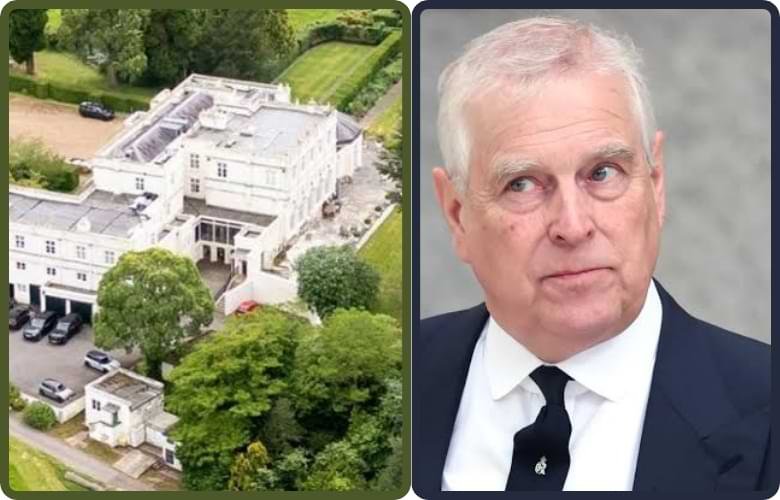
The story of prince andrew’s eviction from the royal lodge has gained immense popularity among topics that have involved the British royal family in recent times. The royal lodge is a historical house situated within Windsor Great Park and has been the home of prince Andrew since 2004, being one of the most prominent buildings on the royal estate. Discussions relating to the royal finances, upkeep, and modernization of the monarchy have brought the building into intense scrutiny by the public. Speculation about the leasing arrangements, estate management, and plans of king Charles III about making a leaner monarchy have brought much speculation around the property.
What Is Royal Lodge?
Royal Lodge is a historic residence situated within Windsor Great Park in Berkshire, England. The property has a long royal history and has been associated with members of the British royal family for generations. It is particularly known for serving as the residence of Queen Elizabeth The Queen Mother before Prince Andrew moved into the estate.
The property underwent extensive renovations before Prince Andrew took occupancy. Today, it remains one of the largest homes occupied by a member of the royal family outside Buckingham Palace and Windsor Castle. Its size, location, and historical significance make it one of the most valuable properties within the royal estate.
Key Facts About Royal Lodge:
- Located in Windsor Great Park, Berkshire
- Home to Prince Andrew since 2004
- Features approximately 30 rooms
- Former residence of Queen Elizabeth The Queen Mother
- Occupied under a long-term lease agreement
- Considered one of the most prestigious royal residences
Why Has Royal Lodge Become the Center of Attention?
The debate surrounding Royal Lodge extends beyond the property itself. It reflects wider discussions about the role of non-working royals, the allocation of royal resources, and public expectations regarding accountability.
Prince Andrew’s withdrawal from official royal duties significantly changed his position within the royal family. As a result, questions emerged about whether he should continue occupying one of the largest and most expensive royal residences.
The issue has attracted attention from royal experts, political commentators, and the public. Many view it as a test case for how the monarchy will manage its assets under King Charles III.
Factors Driving the Debate:
- Prince Andrew’s reduced public role.
- Rising maintenance costs.
- Royal family modernization efforts.
- Public interest in royal spending.
- Long-term property management concerns.
Financial Responsibilities and Property Costs
Maintaining a property as large as Royal Lodge requires substantial financial resources. Historic buildings demand continuous upkeep to preserve their condition and protect their architectural significance. These responsibilities often involve major restoration projects and ongoing maintenance expenses.
In addition to structural repairs, the estate requires landscaping, utility management, and security services. Such costs can amount to significant sums each year, particularly for a property of this scale.
The financial commitments attached to Royal Lodge have become a major focus of public discussion. Many observers believe that long-term affordability is one of the key issues influencing the future of the residence.
Major Costs Associated With Royal Lodge:
- Building repairs and restoration
- Historic preservation work
- Security and protection measures
- Grounds maintenance
- Utility expenses
- Estate management costs
King Charles III’s Vision for a Modern Monarchy
Since becoming king, Charles III has emphasized the importance of creating a streamlined and efficient monarchy. His vision focuses on ensuring that royal resources are used effectively while maintaining the institution’s traditions and responsibilities.
Many royal commentators believe that Royal Lodge has become part of this broader modernization effort. The discussion surrounding the property reflects larger questions about how royal assets should be allocated and managed.
Supporters of modernization argue that the monarchy must adapt to changing public expectations. Greater transparency, financial responsibility, and efficient use of resources are often cited as key priorities for the future.
Goals Associated With Royal Modernization:
- Improving financial efficiency
- Supporting working royals
- Reducing unnecessary expenses
- Increasing public accountability
- Modernizing asset management
Understanding the Lease Agreement
One of the most important aspects of the Royal Lodge story is the legal agreement governing the property. Prince Andrew reportedly secured a long-term lease that provides specific rights and obligations regarding occupancy and maintenance.
Lease agreements of this nature carry legal protections. As a result, any changes concerning the property would need to follow established contractual and legal procedures. This makes the situation more complicated than it may initially appear.
The lease reportedly requires Prince Andrew to maintain the residence and cover various costs associated with its upkeep. These contractual obligations remain central to discussions about the future of Royal Lodge.
Legal experts often point out that property agreements cannot simply be disregarded. Therefore, any potential changes would likely involve careful negotiation and planning.
Public Reaction and Media Coverage
Public opinion regarding Royal Lodge remains divided. Some individuals believe that a non-working royal should not occupy such a large residence, particularly during a period of modernization within the monarchy.
Others argue that Prince Andrew has legal rights under his lease agreement and should be permitted to remain at the property if he continues meeting his obligations. This difference of opinion has contributed to ongoing public debate.
Media organizations have closely followed every development connected to Royal Lodge. Newspapers, television networks, and online publications regularly analyze the financial, legal, and political implications of the situation.
Why the Story Continues to Generate Interest:
- Involves a high-profile member of the royal family
- Raises questions about royal spending
- Highlights property management challenges
- Reflects broader monarchy reforms
- Combines legal and public interest issues
Impact on the British Royal Family
The Royal Lodge controversy has implications that extend beyond Prince Andrew. Decisions concerning royal residences often influence public perceptions of the monarchy as a whole. Consequently, the issue has become part of a broader conversation about royal reform and accountability.
The situation demonstrates the challenges involved in balancing historical traditions with modern expectations. Royal properties are important cultural assets, but they also require significant resources to maintain.
For the royal family, the outcome of the Royal Lodge debate may help shape future approaches to property management. It could also influence how the public views ongoing efforts to modernize the monarchy.
What Could Happen Next?
The future of Royal Lodge remains uncertain. Any decision regarding the property will likely depend on legal agreements, financial considerations, and broader royal household priorities.
Royal commentators have discussed several possible outcomes. While no official resolution has been announced, speculation continues regarding the next steps.
Potential Outcomes:
- Prince Andrew remains at Royal Lodge.
- Lease terms are reviewed.
- New financial arrangements are introduced.
- Relocation to a smaller residence is considered.
- Estate management responsibilities are restructured.
Whatever happens, the decision is likely to have implications for future discussions involving royal properties and asset management.
(FAQs)
1. What is Royal Lodge?
Royal Lodge is a historic residence located within Windsor Great Park in Berkshire, England. It has been home to several members of the British royal family and has been occupied by Prince Andrew since 2004 under a long-term lease agreement.
2. Why is the Prince Andrew Royal Lodge eviction making headlines?
The prince andrew royal lodge eviction story has attracted attention because it involves royal property management, financial responsibilities, and discussions about the modernization of the British monarchy under King Charles III.
3. Does Prince Andrew own Royal Lodge?
No, Prince Andrew does not own Royal Lodge outright. He occupies the property under a long-term lease arrangement that gives him certain rights and responsibilities regarding its maintenance and use.
4. Why are there concerns about Royal Lodge maintenance costs?
Royal Lodge is a large historic property that requires ongoing repairs, security arrangements, and preservation work. These expenses can be substantial, making maintenance costs a key part of the debate.
5. Can Prince Andrew legally remain at Royal Lodge?
Prince Andrew’s ability to remain at Royal Lodge depends largely on the terms of his lease agreement and whether he continues to meet the obligations associated with the property.
Conclusion
There are much more implications behind the royal lodge prince andrew eviction debate other than the issue of whether or not the prince will continue staying in his royal residence. The matter raises concerns related to issues such as the sense of fiscal responsibility, legality, social perceptions, and changes in the British monarchy in general. One of the key premises of this discussion is that the royal lodge is among the most prestigious and notable estates owned by the royals, which means that the future of this place is rather important. Despite any final decision, the case has already affected the management of royal property.
