


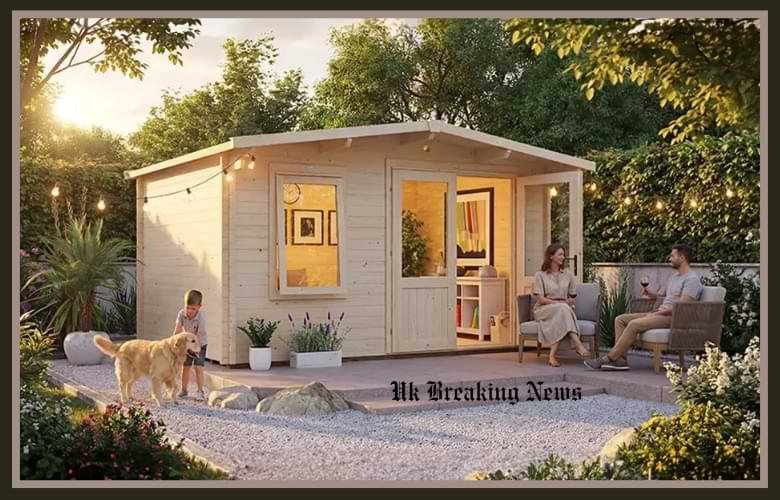
A well-organized garden has the potential to take on many dimensions if it is complemented by an efficient and stylish garden building. Be it a comfortable area where you will be working, resting, entertaining friends, or storing gardening equipment, the addition of an appropriate structure can change the appearance of your property entirely. Contemporary garden buildings come in a multitude of designs, sizes, and materials and cater to different tastes and budgets. Moreover, garden structures offer an affordable way to extend your living space without building expensive additions to the house. With proper planning, high-quality construction, and maintenance, garden structures have the potential to last through the years and seasons and remain an irreplaceable element of your house.
Why Garden Buildings Are Becoming More Popular
Many homeowners are looking for ways to extend their living space without undertaking expensive home renovations. Garden buildings provide a practical alternative by creating a separate area that can serve multiple purposes while maintaining privacy. They also improve the appearance of outdoor spaces and offer excellent long-term value.
Modern designs are available in a wide range of sizes, layouts, and finishes, making them suitable for almost any garden. Advances in insulation, glazing, and construction methods have also made these buildings comfortable enough for year-round use. As outdoor lifestyles continue to grow in popularity, investing in summer garden buildings has become an increasingly attractive option.
Popular reasons to install a garden building:
- Create a dedicated home office
- Add extra living or hobby space
- Improve garden aesthetics
- Increase property appeal
- Provide secure outdoor storage
Types of Garden Buildings
Choosing the right structure depends on how you intend to use the space. Traditional summerhouses are ideal for relaxation, while insulated garden rooms offer comfortable environments for working or entertaining throughout every season. Log cabins and modern studios provide additional flexibility for larger families or those needing multifunctional spaces.
Smaller buildings work well as storage areas or workshops, whereas larger structures can serve as guest accommodation or fitness rooms. Understanding the strengths of each option helps ensure your investment matches both your lifestyle and future needs.
Common options include:
- Summerhouses
- Garden rooms
- Log cabins
- Garden offices
- Workshops
- Storage buildings
Choosing the Best Materials
Material selection plays an important role in determining durability, maintenance requirements, and overall appearance. Timber remains the most popular option because it blends naturally into outdoor environments while providing excellent insulation. Composite materials offer low maintenance, while metal structures deliver exceptional strength and weather resistance.
When comparing materials, buyers should consider local climate conditions, expected maintenance, insulation performance, and long-term costs. Investing in quality construction usually results in fewer repairs and a longer lifespan, making it a worthwhile decision for most homeowners.
Key factors when comparing materials:
- Durability
- Insulation performance
- Maintenance requirements
- Weather resistance
- Visual appeal
Planning and Installation Tips
Successful installation begins with careful planning. Consider the available garden space, sunlight exposure, accessibility, and the intended purpose before selecting a design. Positioning the building correctly helps maximize natural light while preserving the balance of the surrounding landscape.
It is also important to think about practical features such as electrical connections, internet access, drainage, and ventilation before construction begins. Checking local planning regulations can prevent unexpected delays and ensure the project complies with current requirements.
Planning checklist:
- Measure available space
- Check foundation requirements
- Plan electrical access
- Consider natural lighting
- Verify local regulations
Features That Add Long-Term Value
High-quality outdoor buildings include features that improve both comfort and efficiency. Double-glazed windows, insulated walls, and secure doors make the space suitable for work, leisure, or hobbies throughout the year. Good ventilation also helps reduce moisture while creating a healthier indoor environment.
Modern buyers increasingly prefer sustainable construction materials and energy-efficient designs that reduce running costs. Selecting premium finishes and reliable roofing materials also protects the building against changing weather conditions and extends its usable life.
Recommended features:
- Double glazing
- Wall and roof insulation
- Secure locking systems
- Weather-resistant roofing
- Energy-efficient lighting
Maintenance and Buying Advice
Regular maintenance helps preserve the appearance and structural integrity of any outdoor building. Cleaning exterior surfaces, treating timber, inspecting roofing materials, and checking seals can prevent costly repairs later. A simple maintenance routine performed throughout the year will significantly extend the lifespan of the structure.
Before purchasing, compare product specifications, warranties, construction quality, and customer reviews rather than focusing only on price. Choosing summer garden buildings from reputable manufacturers often provides better long-term value through improved craftsmanship, stronger materials, and reliable after-sales support.
Maintenance essentials:
- Clean surfaces regularly
- Repaint or stain timber when needed
- Inspect roofs and gutters annually
- Check windows and door seals
- Repair small issues promptly
- Also Read. Altrincham Today What’s New Across the Town
(FAQs)
1. What are summer garden buildings used for?
Summer garden buildings can be used as home offices, hobby rooms, garden studios, guest spaces, home gyms, or relaxing retreats. Their versatility makes them suitable for both work and leisure throughout the year.
2. Do I need planning permission for a garden building?
In many cases, planning permission is not required if the building meets local size and height regulations. However, it is always advisable to check your local authority’s guidelines before installation.
3. Which material is best for a garden building?
Timber is a popular choice because it offers natural insulation, an attractive appearance, and long-lasting durability. Composite and metal options are also available for homeowners seeking lower maintenance.
4. Can a garden building be used throughout the year?
Yes. An insulated garden building with double-glazed windows, proper ventilation, and heating can provide a comfortable space during every season.
5. How long does a quality garden building last?
A well-built garden building can last 20 to 40 years or more when constructed with quality materials and maintained regularly through cleaning, treatment, and inspections.
Conclusion
The right choice of the garden building is an investment which provides long-term benefits both in terms of personal lifestyle and property value. Whether you want to build an efficient home office, design a comfortable haven, or add extra space for storing your items – the opportunities to use the garden area are really numerous. With proper construction materials, thorough planning, and proper maintenance of the building, you can have reliable operation for many years to come. When making the comparison of various models, features, and insulating solutions, you can make the best purchase decision. The good garden building is not just efficient in its usage, but also looks great for many years to come.
